Product matching and normalization
The same product, listed a dozen different ways
Most pricing APIs hand you a price per site and leave the hard part, working out which listings are even the same product, to you. We do that at scale, and tell you how certain we are.
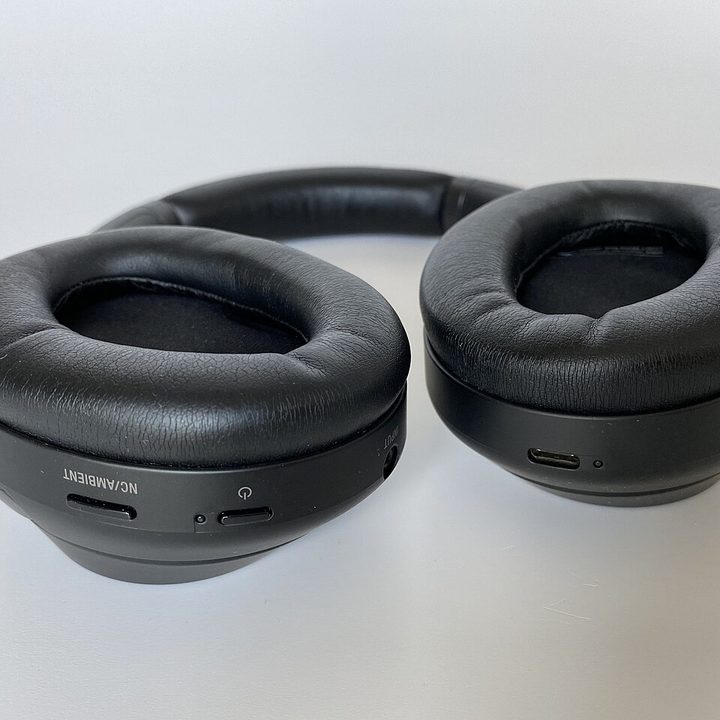
4 listings of the same headphones, each titled and photographed differently, matched into one product with a 95% confidence score. Lowest price $298.00.
At catalog scale
Every listing matched, not a sample
Read
Read a listing the way a shopper does
Retailers title the same product however they like. We pull the brand, model and variant out of the mess and normalise them, so two spellings of one model number are one model number.
- Brand, model and variant taken from messy titles
- Product details and specs read, not only the title
- Images compared, so a different photo still matches
Reading a listing
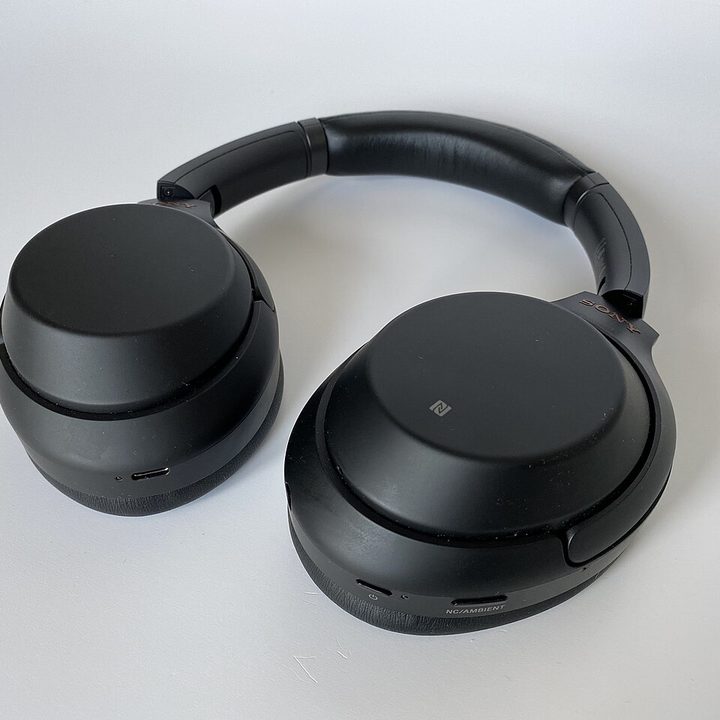

SONY WH1000XM3/B Over-Ear Headphones
- Brand
- SonySONY
- Model
- WH-1000XM3WH1000XM3
- Colour
- Black
- Type
- Over-ear
Score
One confidence score on every match
Attributes, keywords, product details and images are each read, and AI weighs them together into one score. The score ships with the row, so you can see how sure we are, row by row.
- Five methods, one decision
- The score travels with the data, not in a report
- Traceable months later, back to the listing
Scoring a match
- Attributes agrees
- Keywords agrees
- Product details agrees
- Image agrees
- AIAI weighs all four
Same product
Hold back
A doubtful match comes back unmatched
A 2-pack is not the single unit, however alike the titles. When the score is low the listing is returned unmatched with its score, never paired with the nearest guess and averaged into your position.
- Low confidence is visible, not hidden
- Pack sizes, bundles and variants kept apart
- A gap you can decide about, not a wrong answer
Two listings, one product
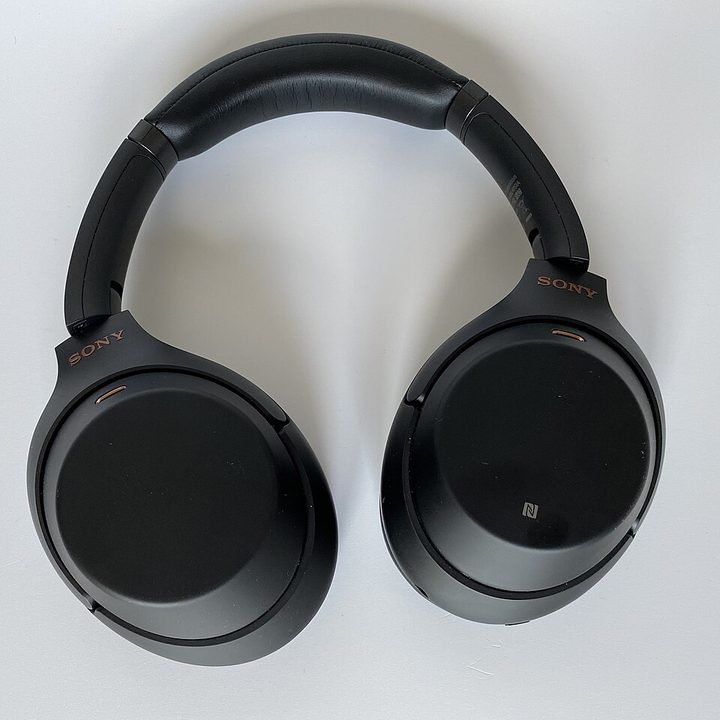
 Sony WH-1000XM3 Wireless Noise Cancelling HeadphonesMatched
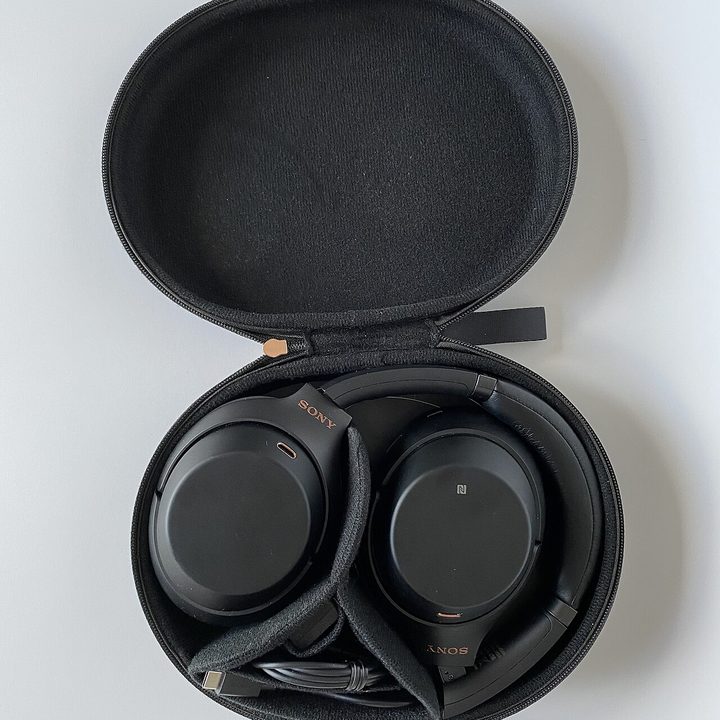 ×2TargetSony WH1000XM3 Bluetooth Headphones, Black, 2-pack$759.98
Returned unmatchedPack size differs, so the score is low
Sony WH-1000XM3
Product photos from Wikimedia Commons under CC BY, CC BY-SA, CC0 or public domain, cropped and resized. Authors and licences
What changes
What a scored match is worth downstream
A comparison you can trust
The confidence behind every gap ships with it, so nothing uncertain is quietly averaged into your position.
Joins to your own catalog
Matches resolve to your SKUs and identifiers, so the data lands in your models without a mapping project first.
Matching audits, not guesswork
Every match is traceable to the listing and score that accepted it, and the whole catalog is matched automatically, so there is no manual reconciliation backlog behind it.
What match accuracy do you actually achieve?+
Rather than quote one headline figure, every match ships with its own confidence score, so you can see how sure we are row by row. Real match rates depend on the category and on how well a retailer exposes identifiers, so we report the rate for your own catalog during the proof of concept instead of asking you to take an average on trust.
Do you need GTINs or EANs from us?+
They help and we use them where they exist, but they are not required. Retailers omit and mistype identifiers constantly, which is exactly why attributes, keywords, product details and images are read together by AI rather than trusting one field.
What happens to products you cannot match?+
They come back as unresolved rather than matched to the nearest guess. An unresolved product is a visible gap you can decide about, which is more useful than a confident wrong answer buried in an average.
How long does matching our catalog take?+
We agree the catalog and the retailers up front, then data starts arriving within days of sign-off. Matching runs across the whole catalog at once, so there is no review queue to wait on.
Send your catalog. We match it to every retailer you name.